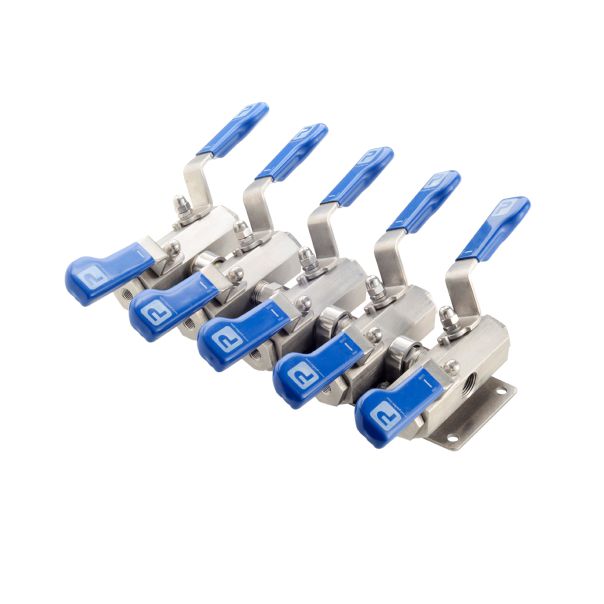
Description
Instrumentation Valve :
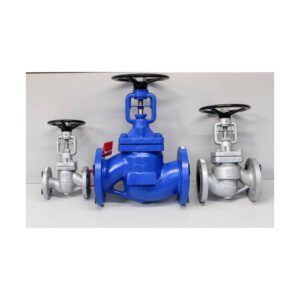
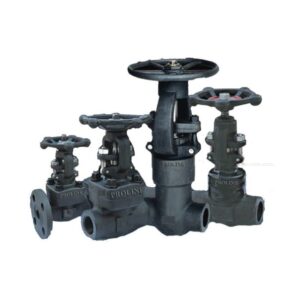
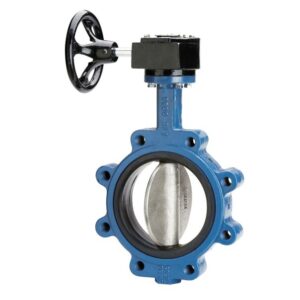
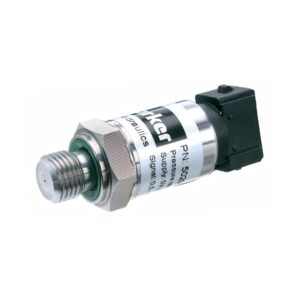
Instrumentation Valve are used in applications wherever instrument measurement occurs. Instrumentation-Valves are used for isolation, venting, block & bleed, static pressure, absolute pressure, pressure gauge, differential pressure, liquid level & instrument lines. Instrumentation-Valve end connections are female NPT & male NPT…
The Instrumentation-Valve seat controls the flow of the material while the packing limits the leakage between the seat and actuation elements.
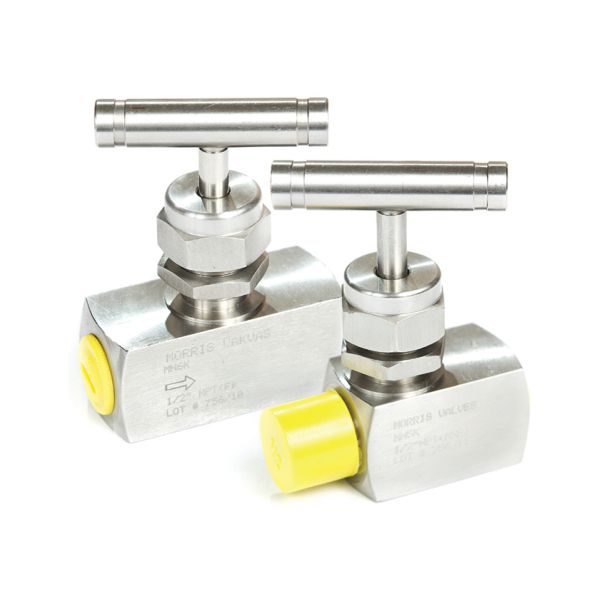
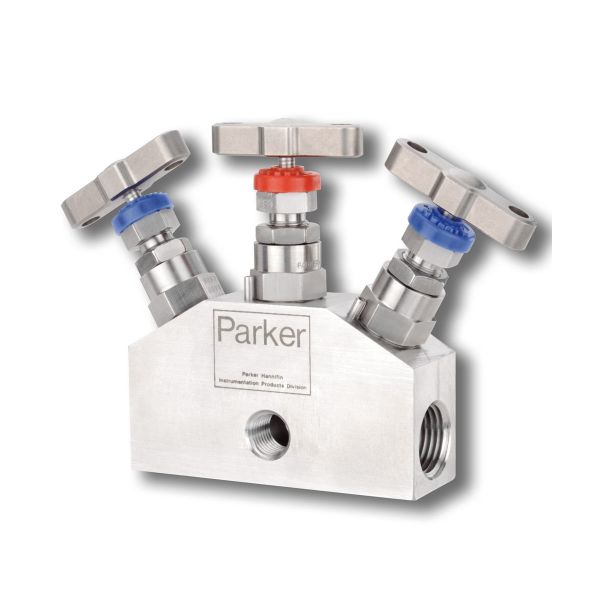
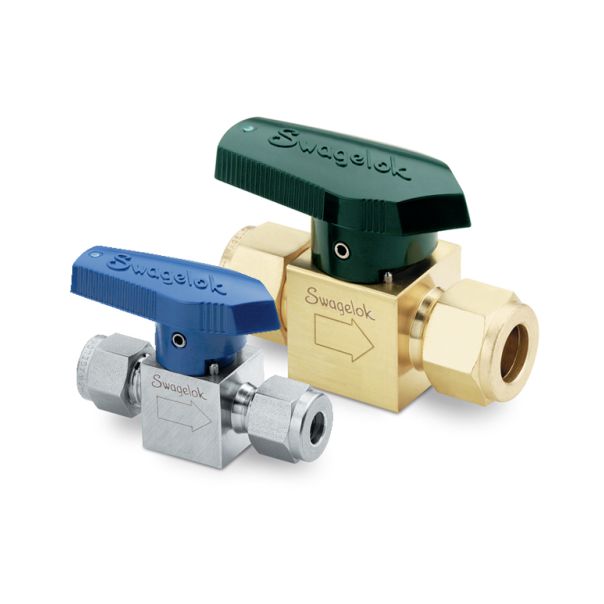
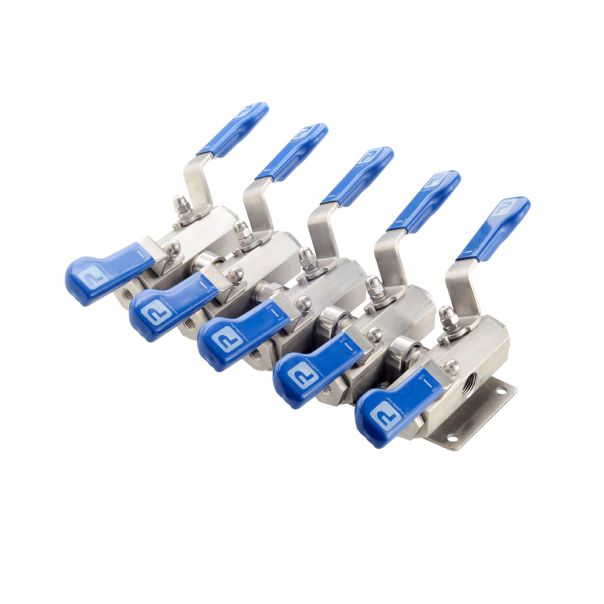
Our instrumentation valve are designed for use primarily in a process line along with measuring tools such as gauges and transmitters. Options include ball, needle, double block & bleed valves, manifold valves and piston check valves. Our Instrumentation valve meet ASME standards and API 6A criteria and are all extensively tested.
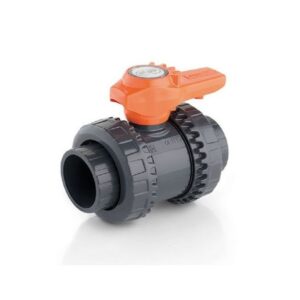
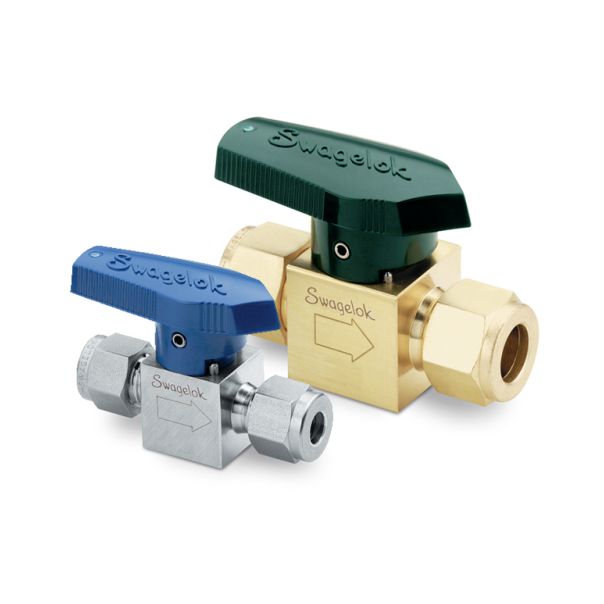
- INSTRUMENTAION BALL VALVES
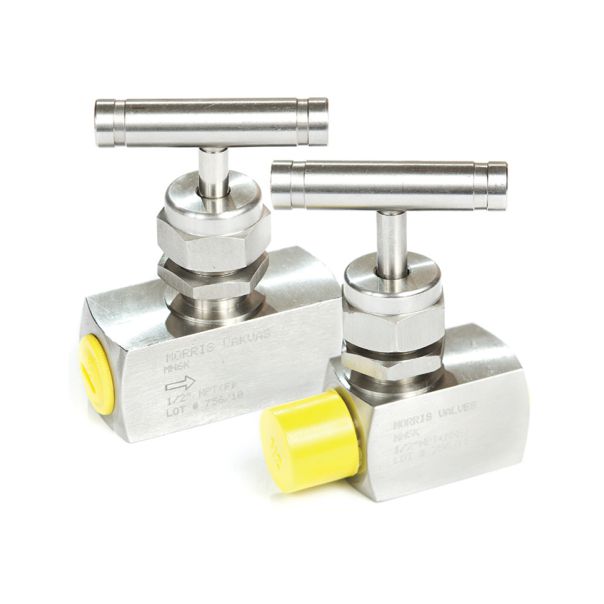
- INSTRUMENTATION NEEDLE VALVES
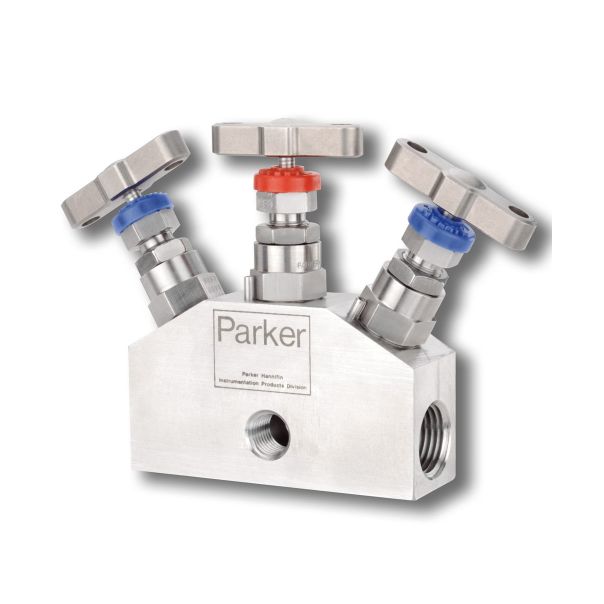
- INSTRUMENTATION MANIFOLD VALVES
- INSTRUMENTATION DBB VALVES
- INSTRUMENTATION PISTON CHECK VALVES
Certainly! Here’s a concise content piece on instrumentation valves with a focus on using transition words effectively:
Instrumentation valve play a pivotal role in fluid control systems. Firstly, they regulate the flow, ensuring precise measurements. Moreover, they enhance system safety by swiftly halting flow when needed.
Additionally, their versatility is noteworthy. From needle valves, which offer fine-tuned control, to ball valves providing rapid shut-off options abound. Furthermore, these valves exhibit remarkable resilience.
Materials like stainless steel confers robustness, thereby withstanding harsh conditions. Equally important is their widespread application. They serve industries ranging from oil and gas to pharmaceuticals.
Instrumentation valve is a specialized type of valve used in industrial processes to control the flow of fluids or gases in instruments and systems. It’s designed with precision to manage flow rates, pressures, and temperatures accurately. Instrumentation valves often come in two primary types: needle valves and ball valves.
Needle valves:
Needle valves provide fine control over flow by using a slender, tapered point to gradually open or close the valve orifice. This allows for precise adjustments in flow rates, making them suitable for applications requiring accurate regulation.
Ball valves:
Ball valves, on the other hand, use a spherical ball with a hole through its center. When the handle is turned, the hole aligns with the pipe to permit flow or blocks it when perpendicular. While not as precise as needle valves, ball valves are faster to operate and are better suited for on/off control.
Instrumentation valve are crucial in industries such as oil and gas, chemical processing, pharmaceuticals, and more, where accurate control over fluid or gas flow is essential for operational efficiency, safety, and quality