support@mrosuppliers.in
+91 73584 14042
Mon - Sat 10:30 - 19:30
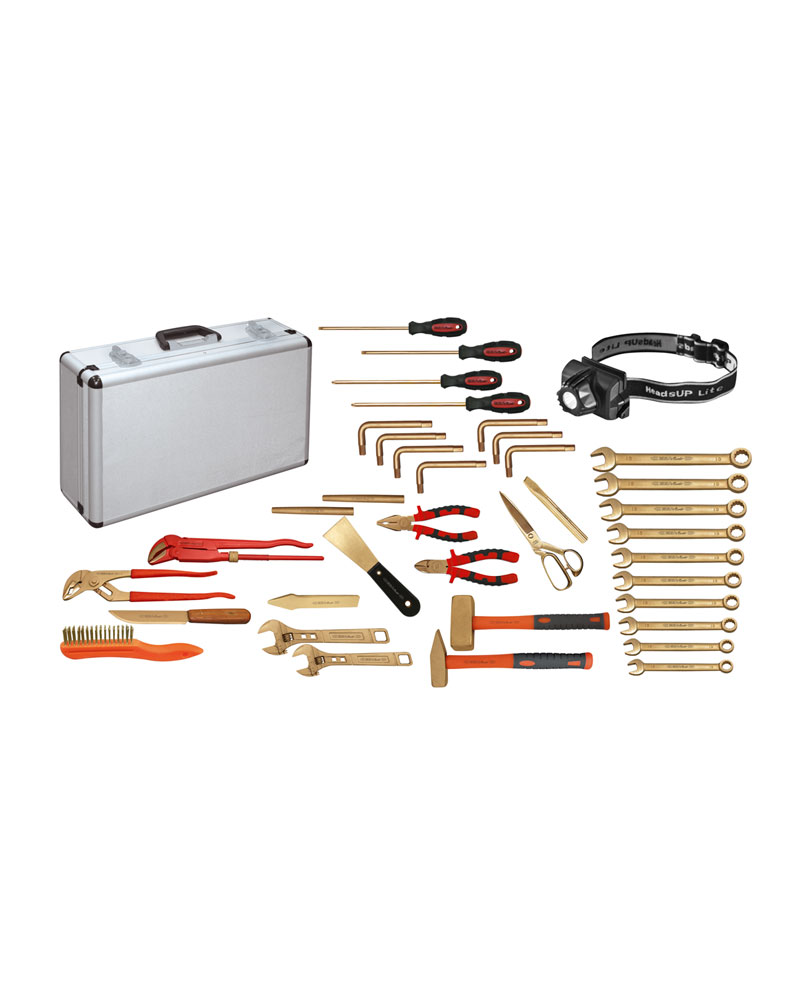
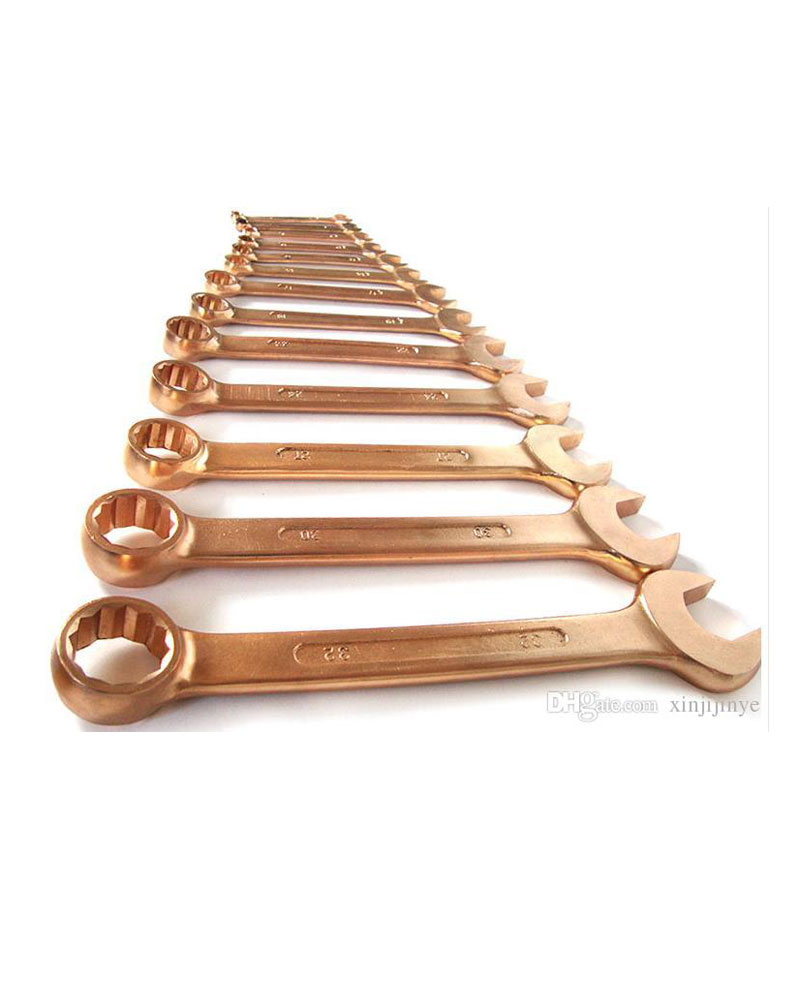
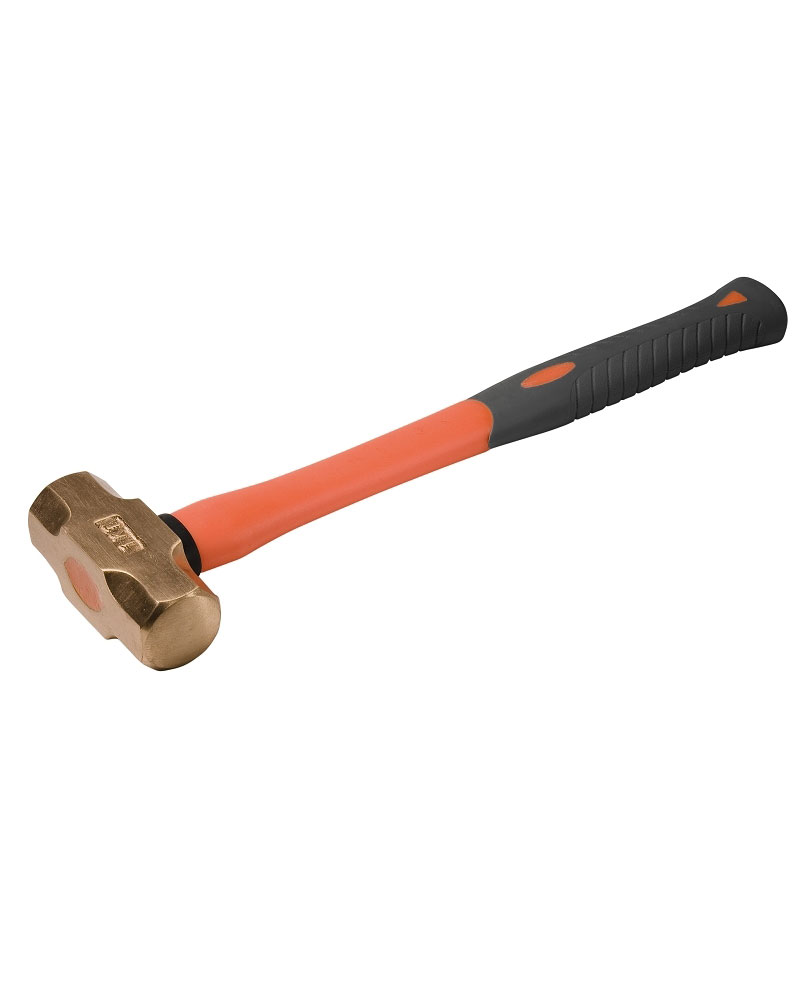
“Non-sparking,” “spark-reduced,” “spark-resistant,” or “spark-proof” tools refer to tools made from metals such as brass, bronze, Monel metal (a copper-nickel alloy), copper-aluminum alloys (aluminum bronze), or copper-beryllium alloys (beryllium bronze).
Commonly used hand tools are typically manufactured from steel alloys. However, the preferred “non-sparking” metals tend to have lower tensile strength compared to the steels generally used in tool manufacturing. A lower tensile strength means the metal is less resistant to tearing when stretched under testing conditions. Consequently, these tools are softer, wear down more quickly than conventional steel tools, and require more frequent dressing to maintain their effectiveness.
“Non-sparking,” “spark-reduced,” “spark-resistant,” or “spark-proof” tools refer to tools made from metals such as brass, bronze, Monel metal (a copper-nickel alloy), copper-aluminum alloys (aluminum bronze), or copper-beryllium alloys (beryllium bronze).
Commonly used hand tools are typically manufactured from steel alloys. However, the preferred “non-sparking” metals tend to have lower tensile strength compared to the steels generally used in tool manufacturing. A lower tensile strength means the metal is less resistant to tearing when stretched under testing conditions. Consequently, these tools are softer, wear down more quickly than conventional steel tools, and require more frequent dressing to maintain their effectiveness.